
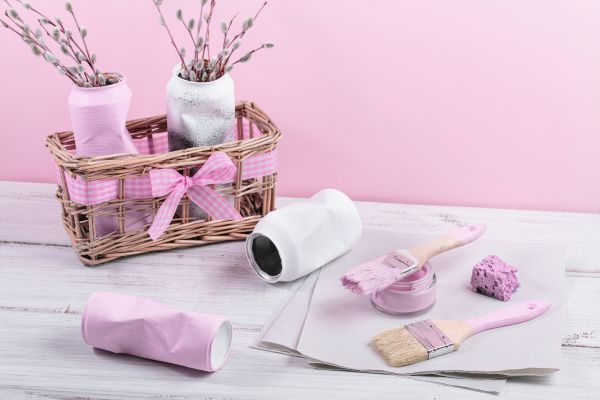
There’s something strangely satisfying about giving old objects a second life. A worn wooden ladder becomes a bookshelf. Glass jars once tucked away in kitchen cabinets start glowing as candle holders. Even an old suitcase, scratched from years of travel, can transform into a coffee table with more personality than anything found in a showroom.
That’s part of the appeal behind upcycling ideas for home decor. They don’t just save money or reduce waste — though they often do both. More importantly, they create spaces that feel lived in, personal, and layered with small stories. A home decorated through upcycling rarely looks perfectly coordinated, and honestly, that’s usually the point.
In recent years, people have become more thoughtful about what they bring into their homes. Fast furniture and mass-produced accessories have started losing some of their charm. Instead, there’s a growing appreciation for objects with texture, history, and a little imperfection around the edges.
Upcycling fits naturally into that shift.
Why Upcycled Decor Feels More Personal
A room filled entirely with brand-new furniture can sometimes feel oddly unfinished, even when everything technically matches. Spaces become warmer when they include pieces that carry a sense of individuality.
Upcycled decor tends to create that atmosphere almost automatically.
Part of it comes from the unpredictability. An old window frame turned into wall art doesn’t look exactly like anything else. Neither does a bench made from reclaimed wood or a lamp built from vintage piping. These pieces feel collected rather than purchased all at once.
There’s also creativity involved in the process itself. Even simple projects require a bit of imagination. People begin looking at ordinary household items differently, asking what something could become instead of deciding it’s no longer useful.
That mindset can quietly change the entire way someone approaches decorating.
Old Wooden Furniture Finds New Purpose
Wood remains one of the easiest materials to upcycle because it ages beautifully. Scratches, dents, faded paint, and uneven grain often add character rather than ruin it.
An old dresser, for instance, doesn’t always need a complete makeover. Sometimes sanding it lightly and applying a matte stain is enough to reveal a texture hidden beneath years of glossy finish. Other times, people repaint furniture in softer earthy tones to give it a more relaxed and modern feel.
Dining chairs with mismatched designs have become surprisingly popular too. Instead of replacing them, homeowners lean into the variation, using different finishes or fabrics to create an intentionally eclectic look.
Coffee tables made from reclaimed pallets continue appearing in homes as well, though the style has matured over time. Rather than looking overly rustic, many newer designs combine reclaimed wood with cleaner lines and more subtle finishes.
The goal isn’t perfection. It’s warmth.
Glass Jars and Bottles Become Unexpected Decor
One of the easiest entry points into upcycling ideas for home decor involves glass containers.
People often underestimate how versatile they are.
Large jars can become kitchen storage with a slightly farmhouse feel. Smaller bottles work beautifully as bud vases lined along windowsills or dining tables. Colored glass catches natural light in ways that manufactured decor sometimes struggles to imitate.
There’s also a quiet charm in keeping these projects simple. Not every upcycling idea needs paint, rope, or heavy decoration. Sometimes a cleaned glass bottle holding a few dried flowers already feels complete.
In homes leaning toward minimalism, that restraint can actually make a stronger visual impact.
Fabric Scraps Add Texture and Softness
Textiles have always played a huge role in how a home feels. Upcycling fabric allows people to introduce texture without buying entirely new materials.
Old linen shirts can become pillow covers. Vintage scarves turn into table runners. Worn denim finds a second life as patchwork storage baskets or upholstery accents.
Some people even combine scraps from meaningful clothing items into quilts or wall hangings. Those projects carry emotional value that manufactured decor simply can’t replicate.
Interestingly, handmade textile decor often works because it looks slightly imperfect. Uneven stitching or faded fabric tones add authenticity. The room feels more human afterward, less staged.
That’s something many modern interiors quietly crave.
Vintage Ladders and Crates Return as Storage
Storage solutions tend to dominate home design conversations, especially in smaller living spaces. Upcycling offers practical answers without making everything look purely functional.
Old wooden ladders have become popular as blanket holders, towel racks, and bookshelf alternatives. Their vertical shape saves space while adding visual texture to a room.
Vintage crates serve a similar purpose. Stacked beside a sofa, they create casual side tables with built-in storage. Mounted onto walls, they become rustic shelving for books, plants, or ceramics.
These pieces work particularly well because they don’t feel overly polished. A little chipped paint or weathered wood helps soften modern interiors filled with smooth surfaces and straight lines.
There’s balance in that contrast.
Kitchen Upcycling Goes Beyond Rustic Trends
For a while, upcycled kitchen decor became heavily associated with farmhouse aesthetics. Mason jars, distressed signs, and reclaimed wood were everywhere. While some of those ideas remain popular, the style itself has broadened considerably.
Modern kitchens now incorporate upcycling in quieter, subtler ways.
Old cutting boards lean casually against backsplashes as decorative layers. Antique tins become herb planters near windows. Salvaged brass handles appear on newly painted cabinets.
Even open shelving often mixes old and new pieces together intentionally. Handmade pottery beside repurposed containers creates a kitchen that feels collected gradually over time instead of assembled from a catalog.
That sense of evolution makes spaces feel more relaxed and approachable.
Lighting Projects Bring Character Into a Room
Lighting changes the emotional tone of a home almost instantly, which makes it one of the most rewarding areas for upcycling projects.
Vintage lanterns can become pendant lights. Old baskets create textured lampshades that cast soft patterned shadows across walls. Driftwood, metal piping, and reclaimed wood are often repurposed into custom lighting fixtures with surprisingly elegant results.
What’s interesting is how imperfect materials interact with light itself. Scratches, aged metal, and uneven surfaces become more noticeable once illuminated, but in a good way. They create depth and atmosphere rather than looking damaged.
Many mass-produced lighting fixtures aim for flawless uniformity. Upcycled lighting often succeeds because it does the opposite.
Plants and Upcycling Naturally Belong Together
Houseplants and upcycled decor tend to complement each other effortlessly.
Partly because both encourage slower, more intentional living.
Old teacups become tiny succulent planters. Metal buckets hold indoor olive trees. Wooden drawers transform into herb gardens. Even chipped ceramic bowls find new life when filled with moss or trailing greenery.
Plants soften recycled materials, while repurposed containers make greenery feel more integrated into the home itself. The combination creates interiors that feel organic rather than overly designed.
There’s also practicality involved. Many upcycled planters already have the textured, aged appearance people often try to imitate artificially.
Upcycling Encourages More Thoughtful Decorating
One unexpected benefit of upcycling is that it slows the decorating process down.
Instead of filling rooms quickly, people spend more time searching, restoring, rearranging, and experimenting. A space evolves gradually. Pieces are chosen because they mean something or solve a real need, not simply because they match a trend.
That slower approach often results in more comfortable homes.
Not every project works perfectly, of course. Some painted furniture ends up looking worse than before. Certain DIY ideas feel better online than they do in real life. That’s normal. Upcycling is partly about experimentation.
And honestly, the occasional imperfection is part of the charm.
Sustainability Adds Meaning Without Feeling Forced
Environmental awareness has naturally contributed to the popularity of upcycled decor, though most people aren’t trying to make a political statement every time they repaint a cabinet or reuse an old chair.
Still, extending the life of existing objects does reduce waste. It encourages appreciation for craftsmanship and materials that might otherwise end up discarded.
Older furniture especially tends to be sturdier than many modern alternatives. Solid wood pieces built decades ago often survive long enough to be reinvented multiple times.
That durability creates a quiet connection between sustainability and design. The home becomes not only more personal but also more mindful.
Conclusion
The appeal of upcycling ideas for home decor goes far beyond trends or DIY aesthetics. At its heart, upcycling is really about seeing possibility where others might only see clutter or age.
An old object doesn’t have to remain tied to its original purpose. With a little creativity and patience, it can become something entirely different — and sometimes even more beautiful than before.
Homes filled with upcycled decor rarely feel identical to one another. They carry texture, memory, and a sense of gradual evolution that polished showroom spaces often lack. There’s comfort in that individuality. Rooms become more than carefully arranged furniture; they start reflecting the people who live there.
And maybe that’s why upcycling continues to resonate. It reminds us that beauty doesn’t always come from something new. Sometimes it emerges from giving forgotten things another chance to belong.