
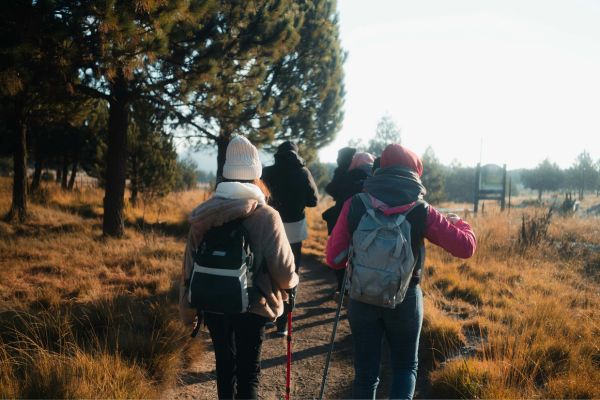
Backpacking has a special way of changing how people travel. It strips away excess, asks you to carry what you truly need, and rewards curiosity over luxury. Whether the journey leads through mountain trails, busy cities, coastal towns, or countries you once only saw on maps, backpacking often feels more personal than ordinary tourism. You move slower, notice more, and learn quickly.
Yet freedom on the road works best when paired with preparation. A heavy bag, poor planning, wasted money, or preventable mistakes can turn an exciting trip into an exhausting one. That is why practical Backpacking Tips remain valuable for first-time travelers and seasoned adventurers alike.
The good news is that successful backpacking rarely depends on being fearless or ultra-athletic. It usually comes down to smart habits, flexibility, and a willingness to adapt.
Pack Less Than You Think You Need
Nearly every new backpacker overpacks. The temptation is understandable. You imagine every possible scenario and prepare for all of them. Then you carry those decisions on your shoulders for weeks.
One of the most important Backpacking Tips is simple: pack lighter.
Choose versatile clothing, practical footwear, and layers rather than bulky single-purpose items. Laundry is easier to find than many beginners assume. Items forgotten can often be purchased locally if truly necessary.
A lighter bag improves movement, mood, and energy more than any gadget.
Choose the Right Backpack
The backpack itself matters because it becomes part of daily life. Comfort, fit, and usability are more important than appearance.
Look for padded shoulder straps, supportive hip belts, strong zippers, sensible compartments, and a size appropriate to your trip length. A giant pack often invites unnecessary packing. A more moderate size encourages discipline.
Try it on loaded if possible. What feels fine empty may feel very different later.
Keep Important Items Accessible
Passports, wallets, medications, chargers, water bottles, and essential documents should be easy to reach.
Digging through an entire bag in airports, bus stations, or rainy streets quickly becomes frustrating. Small organizers, packing cubes, or dedicated pockets can save surprising amounts of stress.
Good organization feels minor until the moment it becomes essential.
Plan the First Nights, Not Every Hour
Many beginners try to schedule every day of a trip in advance. Others plan nothing and hope everything works out. Both extremes can create problems.
A better balance is securing the first nights, understanding transport basics, and researching must-know logistics while leaving room for discovery.
Some of the best travel moments happen spontaneously. Structure helps, but too much structure can suffocate adventure.
Learn Basic Local Context
Before arriving anywhere, understand local customs, transport norms, common scams, tipping expectations, weather realities, and cultural etiquette.
Knowing how greetings work, whether cash is common, how to dress respectfully, or how public transit functions can reduce confusion immediately.
Among all Backpacking Tips, respect may be the most universally useful one.
Budget Honestly
Travel dreams often collapse under unrealistic budgeting.
Account for accommodation, transport, food, entrance fees, laundry, SIM cards, emergency costs, and the little expenses that seem invisible individually but add up quickly. Leave margin for surprises.
Travel is usually more enjoyable when you are aware of your money rather than constantly anxious about it.
Stay Flexible with Accommodation
Hostels, guesthouses, budget hotels, homestays, cabins, and rentals all suit different moments.
Sometimes a social hostel is perfect. Sometimes privacy after long transit matters more. Sometimes paying slightly more for location saves time and transport costs.
Smart backpackers adapt rather than following rigid rules about “how backpacking should look.”
Prioritize Sleep and Recovery
It is easy to treat every day as a race to maximize value. Sunrise hike, museum, long bus ride, nightlife, early train. Repeat.
But fatigue changes travel quality fast. Patience drops, immune systems weaken, and minor inconveniences feel dramatic.
Rest days, slow mornings, better sleep, and occasional quiet evenings are not wasted time. They often make the trip sustainable.
Eat Curiously but Sensibly
Food is one of travel’s greatest pleasures. Try local dishes, neighborhood cafés, markets, bakeries, and specialties.
At the same time, stay sensible about hygiene, hydration, and how adventurous you feel before long transport days. Even enthusiastic travelers sometimes learn this lesson painfully.
Balance curiosity with common sense.
Keep Digital Backups
Losing documents, phones, or cards can happen. Prepare before it does.
Store secure digital copies of passports, insurance information, bookings, emergency contacts, and important reservations. Keep backup payment methods separate when possible.
Preparedness creates calm during stressful moments.
Move with Awareness
Backpacking often means unfamiliar streets, crowded stations, night arrivals, and changing environments.
Stay aware of surroundings without becoming paranoid. Keep valuables secure, avoid displaying cash carelessly, trust instincts when something feels off, and research neighborhoods if arriving late.
Confidence paired with awareness is usually stronger than fear.
Talk to People
Some of the best journeys happen through conversation.
Talk to locals respectfully. Speak with hostel travelers. Ask café owners for recommendations. Learn from guides. Exchange stories on buses or trails when appropriate.
Human connection often becomes more memorable than landmarks.
Even introverted travelers can find their own version of this.
Travel Slower When Possible
Many travelers try to “collect” destinations rapidly. Three cities in four days may look impressive online but can feel hollow in reality.
Staying longer in fewer places often creates richer experiences. You notice rhythms, favorite cafés, walking routes, local faces, and neighborhood life.
Slow travel frequently becomes better travel.
Expect Mistakes
Missed buses, wrong turns, bad weather, awkward language moments, booking errors, overpacked bags, and expensive lessons are normal.
Mistakes do not mean failure. They are often part of how confidence is built.
Every experienced traveler has stories that began badly and ended well.
Leave Room for Wonder
Not every moment needs to be optimized, photographed, or turned into content.
Sit in a square and watch daily life. Walk without agenda. Take the longer scenic route. Read in a train station café. Watch sunset quietly.
Travel deepens when not every minute is being managed.
Health Is Travel Infrastructure
Hydration, movement, sunscreen, basic first aid, hand hygiene, and listening to your body are not glamorous topics, but they keep adventures possible.
A neglected blister can ruin a trek. Dehydration can ruin a city day. Exhaustion can ruin perspective.
Small care keeps larger plans alive.
Conclusion
The best Backpacking Tips are not about owning expensive gear or chasing extreme experiences. They are about traveling lighter, planning wisely, staying adaptable, respecting local culture, protecting your energy, and remaining open to unexpected moments.
Backpacking teaches that comfort and meaning are not always the same thing. Sometimes the most memorable journeys come from carrying less, noticing more, and trusting that the road will teach what no itinerary can.