
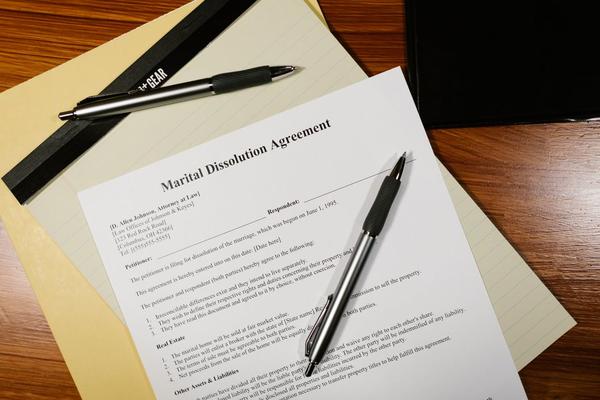
The choice between an uncontested divorce and a contested divorce can shape your legal costs, your schedule, and how much control you retain over the final agreement. But the biggest difference is not how friendly the spouses feel. It is whether they can resolve the issues the court needs settled. Couples who disagree emotionally may still complete an uncontested divorce, while couples who agree to separate may dispute money or parenting.
Understanding uncontested divorce vs contested divorce helps you decide whether a simpler filing route is realistic or whether unresolved issues need negotiation, mediation, or a judge’s decision. Divorce rules vary by jurisdiction, so local court procedures matter.
What Separates These Two Divorce Types?
In an uncontested divorce, the spouses generally agree on all terms required to end their marriage, including property division, debts, support, and parenting arrangements when applicable. They submit the paperwork for court approval instead of asking a judge to resolve disputes at trial.
A contested divorce involves at least one unresolved disagreement. The dispute might concern the divorce itself, ownership of a home, spousal support, or where children will live. Contested does not automatically mean a courtroom trial: many cases settle after negotiation or mediation.
When Can You Get an Uncontested Divorce?
The practical question is not simply, “Do we both want a divorce?” It is, “Can we put our complete agreement into legally acceptable terms?” Before selecting an uncontested procedure, check whether you can answer the following questions consistently.
Property, debts, and support
Who keeps the home, vehicles, savings, and other assets? Who takes responsibility for loans and credit cards? Will either spouse pay support, and on what terms? A vague promise to “split everything fairly” leaves too much unresolved. Financial disclosures may be required even when both spouses agree.
Children and parenting
If you have children, an agreement may need to address decision-making, parenting time, child support, healthcare, and holiday schedules. Courts may review these arrangements under rules protecting children’s interests. Having children does not automatically make a divorce contested.
Legal and filing requirements
You must still satisfy applicable residency, filing, service, disclosure, and waiting-period rules. Some courts offer simplified forms only to people meeting additional conditions. Review local eligibility rules and a divorce filing checklist before assuming agreement guarantees a particular option.
What Makes a Divorce Contested?
A divorce can become contested because one spouse disputes the settlement, refuses to cooperate, or raises concerns about finances or parenting. Disagreements about hidden assets, business valuations, pension rights, or relocation with children may require records, legal advice, and formal procedures.
Contested cases are not necessarily all-or-nothing. Spouses can agree on some matters and ask the court to decide only what remains. A contested filing can also end in settlement.
Divorce Cost: Where the Difference Comes From
An uncontested divorce often costs less because it generally requires fewer attorney hours, appearances, and disputes over evidence. Filing fees still apply in many jurisdictions, and there may be expenses for document preparation, mediation, or legal review.
A contested divorce can be substantially more expensive when lawyers exchange records, prepare motions, hire experts, attend hearings, or prepare for trial. Costs depend on local rules, complexity, attorney rates, and cooperation. There is no reliable universal price for either option.
Saving money by overlooking assets or accepting an unclear support arrangement can prove costly later. Even an amicable couple may benefit from independent legal advice before signing.
Divorce Timeline: Why Agreement Usually Helps
Uncontested cases often move faster because spouses avoid prolonged negotiations and disputed hearings. Yet “uncontested” does not mean “immediate.” Mandatory waiting periods, service requirements, incomplete forms, and court backlogs can delay a final judgment.
Contested cases commonly take longer because unresolved questions require additional steps and scheduling. A narrow disagreement resolved through mediation may add little time; a complex trial can add much more. Avoid relying on a universal promised timeline.
How the Processes Compare
Typical uncontested route
The spouses identify assets, debts, and parenting needs; negotiate terms; prepare an agreement and forms; file and serve or jointly submit documents as local rules permit; and obtain court approval. Some jurisdictions allow approval without a hearing; others require an appearance. The marriage is not legally ended until the final order takes effect.
Typical contested route
One spouse files, the other responds, and the parties exchange relevant information. Temporary orders may address support or parenting while the case proceeds. Negotiations, mediation, conferences, motions, and possibly trial follow. A judge decides issues the spouses cannot settle.
A Practical Example: One Disagreement Can Change the Route
Imagine two spouses who agree to divorce, have no children, and plan to divide savings equally. They also own a house. One wants to sell it; the other wants to keep it but cannot show how the mortgage would be refinanced. A major financial term remains unresolved, preventing a complete settlement.
They might obtain a valuation, explore refinancing, and agree on a sale deadline if refinancing fails. Once those terms are documented, an uncontested route may become possible. Identify the specific sticking point before assuming everything must be litigated.
When the Faster Route May Not Be the Safer Route
An uncontested process depends on informed, voluntary agreement. Do not rush a signature if one spouse controls financial information, there is coercion or abuse, or assets remain undisclosed. Safety and independent advice matter more than avoiding a contested label.
Couples who want agreement but need help may explore mediation when safe and appropriate. Understanding marital property division and child custody arrangements can also prevent costly misunderstandings.
Frequently Asked Questions
Can you have an uncontested divorce if you have children?
Yes, in many jurisdictions. Parents generally must agree on required parenting and support terms, subject to court review. Some simplified filing programs have stricter eligibility rules.
Can a contested divorce become uncontested?
Often, yes. If spouses resolve outstanding issues and complete settlement paperwork, the case may proceed without trial. Local rules determine how an agreement is submitted.
Do you need a lawyer for an uncontested divorce?
Not always. Some courts provide self-help forms, but legal review can be valuable where property, retirement accounts, support, or parenting rights are involved. Independent advice may help each spouse understand the terms.
What if my spouse does not respond to divorce papers?
Some jurisdictions allow a default procedure after proper service and deadlines. Default is not mutual agreement, and the court may still require evidence and compliant orders. Silence does not automatically grant everything requested.
Choosing the Right Path
The most useful test is whether you have a complete, workable, voluntary agreement—not whether separation feels peaceful. Uncontested divorce can reduce cost and time when terms are settled. Contested procedures provide a way to resolve disputes that cannot safely or fairly be agreed upon. Verify local requirements and choose the process that protects your interests.