
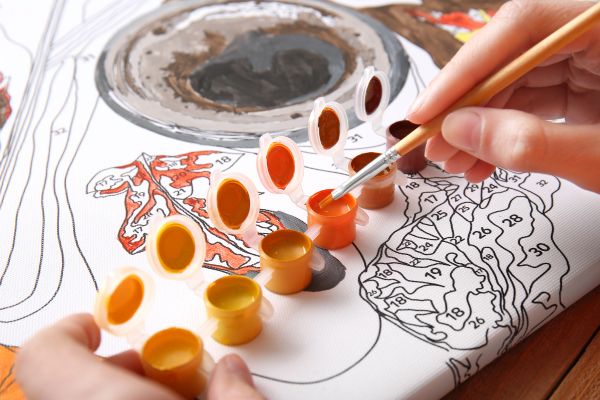
There’s something quietly magical about painting. It slows your breathing, pulls your attention into the present moment, and gives your hands permission to explore without pressure. In a world that constantly asks for productivity and results, painting asks for none of that. It simply invites you to begin.
If you’ve ever found yourself staring at a blank canvas, curious but unsure, you’re not alone. Many people feel drawn to art but hesitate because they think they lack talent, training, or the “right” supplies. The truth is far simpler and far kinder. Learning how to start painting as a hobby has very little to do with skill and everything to do with curiosity, patience, and letting go of expectations.
Painting is not reserved for artists. It’s for anyone willing to show up and make marks.
Letting Go of the Idea That You Have to Be Good
One of the biggest obstacles to starting painting is the belief that you need to be good at it. This idea tends to sneak in quietly, usually shaped by childhood art classes or social media images of flawless canvases. It convinces people that if their first painting doesn’t look impressive, they’ve somehow failed.
But painting as a hobby isn’t about proving anything. It’s about exploration. The early stages are messy, awkward, and often surprising. Colors behave differently than expected. Lines wobble. Shapes feel off. That’s not failure; that’s the process working exactly as it should.
When you approach painting without the goal of producing something “worthy,” you give yourself room to learn naturally. You start noticing how colors mix, how your mood influences your brushstrokes, and how mistakes often lead to unexpected beauty.
Choosing a Painting Style That Feels Approachable
Painting comes in many forms, and not all of them require the same level of commitment or precision. Some people are drawn to the soft transparency of watercolors, while others enjoy the boldness of acrylics or the richness of oils. There is no correct starting point, only what feels inviting to you.
Watercolors tend to feel gentle and forgiving, especially for beginners who enjoy fluid movement and loose expression. Acrylics dry quickly and allow for experimentation without long wait times. Oils are slower and more traditional, often appealing to those who enjoy layering and texture.
Instead of researching endlessly, try paying attention to what visually attracts you. Notice the paintings you linger on, the colors you love, or the moods you’re drawn to. Your preferences are already guiding you toward a style that fits.
Creating a Simple, Comfortable Painting Space
You don’t need a dedicated studio or perfect lighting to begin painting. What matters most is that your space feels comfortable enough to invite you back. A corner of a table, a desk by a window, or even a kitchen counter can work beautifully.
The key is accessibility. If setting up feels like a chore, painting becomes something you postpone. Keeping your supplies visible and easy to reach helps turn painting into a natural habit rather than a special occasion.
Lighting matters more than décor. Natural light is ideal, but a warm lamp works just as well. What you’re really creating is a small ritual space, somewhere you can sit down, breathe, and focus without distraction.
Understanding That Supplies Don’t Make the Artist
It’s easy to get caught up in the idea that better supplies will lead to better paintings. While quality materials can enhance the experience, they are not a prerequisite for starting. Many people delay painting for months or years because they think they need professional-grade tools.
In reality, a small selection of basic paints, a few brushes, and affordable paper or canvas are more than enough. The goal at the beginning is to learn how the materials behave, not to create masterpieces.
As you paint more, you’ll naturally start noticing what you enjoy using and what frustrates you. That’s the right moment to upgrade, guided by experience rather than marketing claims.
Learning Through Doing, Not Overstudying
When people first explore how to start painting as a hobby, they often fall into the trap of overlearning. They watch countless tutorials, read guides, and save inspiration images, yet rarely pick up a brush. Preparation becomes a form of procrastination.
While learning techniques can be helpful, painting is ultimately a physical experience. You learn more from one imperfect painting than from ten hours of watching someone else paint. The feel of the brush, the resistance of the surface, and the way colors interact can’t be fully understood in theory.
Start with simple subjects. Paint objects around you, loose landscapes, or abstract shapes. Let curiosity lead instead of rules. Over time, technique will quietly develop on its own.
Allowing Your Mood to Guide the Process
One of the most rewarding aspects of painting as a hobby is how naturally it connects to emotion. Some days you may feel calm and precise, drawn to soft colors and slow strokes. Other days you might feel restless or energetic, reaching for bold hues and fast movement.
Instead of fighting your mood, let it influence your painting. This approach turns art into a form of self-reflection rather than performance. You begin to see patterns in your work that mirror your inner state, which can be surprisingly grounding.
There’s no obligation to finish every piece or even like what you create. Sometimes the act of painting is complete the moment you stop.
Making Peace With Mistakes and Unfinished Work
Mistakes are unavoidable in painting, and that’s a good thing. They teach flexibility and problem-solving in a gentle, low-stakes way. A color that feels wrong can be layered over. A shape that didn’t work can be reimagined. Nothing is permanent.
Many paintings will remain unfinished, abandoned halfway through when interest fades. That’s not wasted effort. Each attempt trains your eye and hand, even if the result never leaves your desk.
Over time, you may notice that what once felt like a mistake now looks like a stylistic choice. Growth has a quiet way of revealing itself.
Finding Rhythm Without Pressure
Consistency matters more than intensity when it comes to hobbies. Painting for ten minutes a few times a week often leads to more joy than rare, high-pressure sessions. When painting feels like something you “should” do, it loses its calming effect.
Instead, think of painting as something you return to when you need it. Some weeks you may paint often, other weeks not at all. The hobby remains available without demanding anything in return.
This flexible rhythm allows painting to support your life rather than compete with it.
Learning From Others Without Comparing Yourself
Seeing other people’s artwork can be inspiring, but it can also trigger comparison. It’s easy to forget that what you’re seeing is often the result of years of practice, carefully curated and shared selectively.
When you look at other artists, focus on what you admire rather than what you lack. Notice color combinations, moods, or techniques that resonate with you. Use them as gentle inspiration, not benchmarks for your own progress.
Your painting journey is personal, shaped by your experiences, preferences, and pace. There’s no shortcut or standard timeline.
A Quiet Conclusion About Beginning
Starting to paint is less about learning how to hold a brush and more about giving yourself permission to begin imperfectly. When you stop asking whether you’re good enough and start asking whether you’re curious enough, everything changes.
Learning how to start painting as a hobby isn’t a single decision but a series of small, forgiving choices. You choose to sit down. You choose to try a color. You choose to keep going, even when the result surprises you.
Over time, painting becomes more than a hobby. It becomes a place you return to, not to impress anyone, but to listen to yourself. And that, quietly and unexpectedly, is where the real beauty lives.