
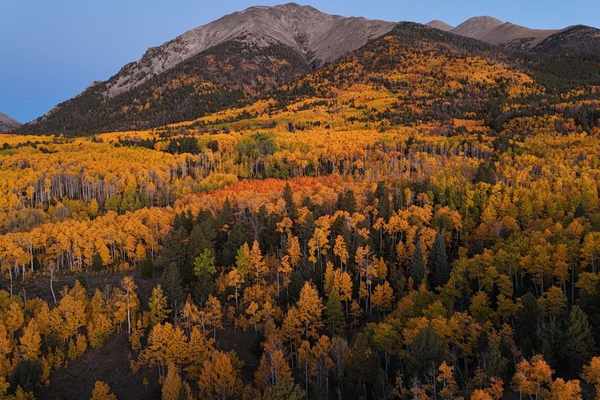
The best time to visit Aspen, Colorado depends on the trip you want. Winter brings powder-covered ski slopes and lively après-ski afternoons. Summer turns the valley into a base for hiking, cycling, and outdoor dining. In fall, the surrounding aspen trees glow gold. The same mountain town offers three very different experiences.
For most skiers, February and March are excellent choices. July and August offer the widest range of summer activities, while late September is usually the strongest bet for autumn foliage. Each window comes with trade-offs in crowds, accommodation prices, and access to mountain attractions.
When Is the Best Time to Visit Aspen?
Choose January through March for the winter atmosphere and established ski conditions. Pick late June through August for warmer days, with the understanding that higher trails can remain snowy in early summer. Aim for the second half of September for golden leaves. April, May, and November may bring quieter streets, but seasonal closures can limit your plans.
Aspen is not automatically inexpensive outside ski season. Popular summer events and peak foliage weekends can drive demand. Compare actual hotel prices for your dates rather than assuming that every summer or fall stay costs less than winter.
Winter in Aspen: December Through March
When Does Aspen Ski Season Start?
The Aspen ski season generally runs from late November into April, depending on conditions. For 2026–27, Aspen Snowmass schedules Aspen Mountain and Snowmass to open November 26, with Aspen Highlands and Buttermilk following December 12. Closing dates vary by mountain, from early to mid-April. Always verify the latest schedule before booking.
December: Festive but Unpredictable
December is lovely for holiday decorations, restaurants, and a wintry town experience. Early-season snow coverage can vary, however, so not every trail may be ready. Christmas and New Year’s travel can also bring high accommodation prices. If maximizing ski terrain matters more than festive atmosphere, consider going later in winter.
January, February, and March: The Main Ski Window
January often feels properly wintry, with cold mornings and an established mountain atmosphere. February can deliver a strong combination of snow coverage and midwinter skiing. March offers longer, sunnier days and enjoyable spring conditions, although temperatures can soften snow by afternoon. No month guarantees powder; storm timing matters more than calendar averages.
For a useful compromise, try a midweek stay in late February or early March rather than a major holiday weekend. Book lessons and rentals ahead, monitor the mountain snow report, and reserve lift tickets early when advance-purchase discounts are available. This approach reduces some planning stress without pretending weather can be predicted months ahead.
Aspen in Summer: June Through August
Aspen summer has its own appeal, even for people who never step onto a ski slope. Visitors come for wildflowers, mountain biking, scenic drives, art, music, and cool evenings. July and August generally offer the broadest range of high-country activities, though festivals can make these months busy.
June: Green Valleys and Lingering Snow
June brings fresh greenery and pleasant walks around town. Some higher hiking routes may still contain snow or muddy stretches from spring runoff, so trail access depends on elevation and the year’s snowpack. Check current conditions before committing to an alpine hike, and verify gondola and guided-activity schedules separately.
July and August: Prime Time for Hiking
Warm days and cool nights are typical, but Aspen Colorado weather changes rapidly in the mountains. Afternoon showers and thunderstorms are common in summer. Start exposed hikes early, bring rain protection and extra layers, and leave ridgelines if storms develop. The sunshine can feel intense at Aspen’s roughly 7,900-foot elevation.
Maroon Bells is a particularly rewarding outing. The famous twin peaks rise above Maroon Lake, creating one of Colorado’s most recognizable mountain views. During the managed visitor season, shuttle or parking reservations are generally needed. Make those arrangements through the official reservation service before arriving; available transport and road access vary with season and weather.
For a more relaxed day, cycle part of the Rio Grande Trail, explore downtown galleries, or enjoy a mountain-view lunch. If you are planning a longer Rockies trip, a Colorado mountain towns guide and a Rocky Mountain summer hiking guide make helpful companions to an Aspen itinerary.
Fall in Aspen: September and Early October
September is arguably Aspen’s most photogenic month. The namesake trees usually reach peak golden color around the third or fourth week, although the exact timing shifts with temperature, elevation, rainfall, and wind. If foliage is the main reason for visiting Aspen, allow several days instead of betting everything on one photograph-perfect afternoon.
Hunter Creek Valley, Castle Creek Road, and the Maroon Bells area offer memorable autumn scenery. Independence Pass is another dramatic option while the road remains open and conditions are safe. Brisk mornings and occasional early snow are possible, even when afternoons feel warm in town.
Are Spring and Late Fall Worth Visiting?
April, May, and November are transition periods. April sometimes offers excellent spring skiing before individual mountains close. May can bring muddy trails, lingering mountain snow, and fewer operating attractions. November is often peaceful before the ski season begins, but summer activities have largely ended. Lower accommodation rates sometimes appear, yet closures can offset the savings.
Before booking a shoulder-season visit, check restaurant hours, gondola operations, trail conditions, and scenic road access. A quiet town break can be rewarding, but these months are less suitable if your trip depends on one specific mountain adventure.
How to Pick Dates That Fit Your Budget
First decide which experience matters most: skiing, long hikes, autumn color, or simply relaxing downtown. Next, compare weekday and weekend lodging prices and look beyond Aspen’s central hotels. Snowmass Village or other Roaring Fork Valley communities may offer alternatives, but weigh any savings against transportation needs.
Frequently Asked Questions
What is the best month for skiing in Aspen?
February and March are popular because the ski season is well underway. February often feels more wintry, while March offers longer days. Check current snow conditions rather than expecting guaranteed powder.
Is Aspen worth visiting in summer?
Absolutely. Hiking, cycling, scenic drives, cultural events, and outdoor dining make summer a major attraction. July and August offer excellent activity options, although they can also bring crowds.
When do the Aspen trees change color?
Late September is usually the strongest general window, especially the third and fourth weeks. Peak color varies annually, and storms can shorten the display.
What is the least crowded time to visit Aspen?
Parts of May and November are often quieter, but many seasonal activities are unavailable. For a fuller experience without the busiest atmosphere, try nonholiday weekdays in early summer or fall.
Final Thoughts
The best time to visit Aspen, Colorado is February or March for skiing, July or August for summer mountain adventures, and late September for golden foliage. Match your travel dates to your favorite activity, check seasonal access before paying, and leave room for the mountains to surprise you.