
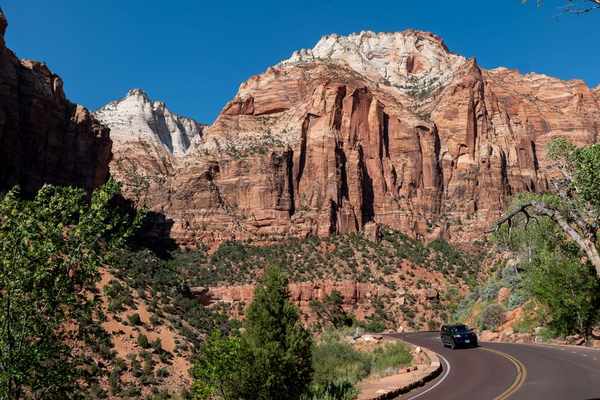
The best time to visit Zion National Park depends on more than comfortable temperatures. If The Narrows is high on your list, the season that looks perfect for dry-trail hiking may be the wrong one for wading through the Virgin River. If you want quiet viewpoints rather than busy shuttle stops, a few weeks can make a remarkable difference.
For the best overall balance of Zion National Park hiking conditions and manageable crowds, aim for October, preferably weekdays outside holiday periods. Late September can also be excellent for The Narrows, while November rewards visitors who prioritize solitude over warm water. Here is how to choose dates that suit the hikes you want to do.
Best Months to Visit Zion at a Glance
October is the strongest all-round choice for most hikers: the canyon usually feels cooler, summer crowds ease, and fall color starts appearing. September offers warmer river conditions, although thunderstorms and flash flooding remain concerns. April and May are attractive for conventional trails but less dependable for The Narrows because snowmelt can raise the river.
For fewer people, consider November through February. You gain quieter trails, but shorter days, cold mornings, and possible ice require flexibility. June through August provide long daylight hours and river-hiking opportunities, yet summer heat and busy parking areas make outings more demanding.
When Is The Narrows Season?
The Narrows is unlike Zion’s ordinary trails: for much of the route, the river itself is the path. Water flow, temperature, and upstream weather matter more than the forecast at the visitor center. There is no guaranteed opening date or universally safe month.
Late Summer and Early Fall
Many visitors hike The Narrows in summer and early fall, when river levels are often lower and the water is relatively warm. Late September and October are especially appealing if you also want cooler temperatures elsewhere in the park.
July through September overlaps with the desert monsoon season, when distant storms can send dangerous flash floods into narrow canyons. Clear skies overhead do not prove the canyon is safe. October often brings more stable Zion weather, although river water becomes colder and daylight fades earlier.
Spring: Beautiful Canyon, Uncertain River
March through May can be wonderful for fresh greenery and established trails. It is a gamble for The Narrows. Melting snow from higher elevations may keep the Virgin River elevated for days or weeks, with closures sometimes extending into early summer.
National Park Service guidance states that the bottom-up Narrows route closes when river flow exceeds 150 cubic feet per second or when a Flash Flood Warning is issued. Flows below that threshold can still make wading difficult. Check park conditions and the USGS gauge shortly before hiking, not just before booking flights.
Winter: A Different Challenge
Winter Narrows hikes are possible when conditions allow, but cold water creates a serious hypothermia risk. Specialized equipment and experience matter. First-time visitors may prefer winter for scenic walks and viewpoints rather than a long river hike.
How Zion Weather Affects Hiking
Spring: Mild Afternoons, Busy Breaks
March and April bring warming afternoons, wildflowers, and chilly nights. Spring-break travel can keep popular trails busy. Higher routes may retain snow, so prepare an alternative if your chosen hike is inaccessible.
Summer: Start Before the Heat
Summer brings intense midday heat on exposed trails. Early starts, ample drinking water, and realistic turnaround times are essential. Shaded river sections may feel refreshing, but The Narrows is not an automatic escape from dangerous weather.
Fall: Ideal for Dry Trails
In October and early November, cooler afternoons make climbs more comfortable and fall colors brighten the canyon. Expect sharp differences between morning and afternoon temperatures. Carry layers, especially on shaded trails.
Winter: Quiet, but Potentially Icy
December through February generally sees lighter visitor pressure. Lower canyon routes may remain accessible, but ice and falling ice can create hazards after storms. A sunny afternoon does not mean every steep trail is ice-free.
How to Avoid Zion Crowds
Zion crowds are not spread evenly across the calendar. Weekends, school breaks, holidays, and famous trailheads attract the most visitors. A Tuesday morning in late October can feel completely different from a summer Saturday.
Stay near Springdale if practical, arrive early, and check the shuttle schedule. During shuttle-operating periods, private vehicles generally cannot drive Zion Canyon Scenic Drive. The park shuttle does not require an advance ticket, but operating hours vary seasonally.
Start a popular hike on your first morning, then save a quieter afternoon for the Watchman Trail or other open routes. If Angels Landing is on your wish list, the chained section requires a permit even in quieter months. Compare a Zion hiking itinerary before finalizing your days.
A Practical Three-Day Plan for Late October
Imagine visiting Tuesday through Thursday in late October. On Tuesday, take an early shuttle and walk Riverside Walk to the entrance of The Narrows. On Wednesday, attempt a bottom-up Narrows hike only if river flow, weather forecasts, and park alerts allow. Rent appropriate river footwear, use a sturdy walking stick, and turn around before exhaustion makes the return dangerous.
If the river is closed, keep Wednesday for dry-land hiking instead. On Thursday, choose the Watchman Trail or another accessible route before departing. This arrangement gives The Narrows a flexible day without making the entire trip depend on it. A Utah national parks road trip could offer additional alternatives if weather disrupts your plans.
What to Check Before Heading Out
Use National Park Service current conditions for closures, shuttle arrangements, and trail alerts. For The Narrows, check USGS Virgin River flow readings and National Weather Service flash-flood information on the day of your hike. Conditions can change quickly.
Do not drink river water or submerge your head: Zion warns about potentially toxic cyanobacteria. Bring safe drinking water instead. A national park hiking packing list can help distinguish everyday essentials from specialized river gear.
Frequently Asked Questions
What month is best for hiking in Zion National Park?
October offers an appealing mix of temperatures and generally lighter crowds than summer. April and May can suit dry trails, though spring breaks bring visitors and snowmelt may close The Narrows.
Is September a good time to hike The Narrows?
Often, yes: river water can be comparatively warm and flows manageable. But September still falls within flash-flood season. Check current river conditions and warnings before entering.
When is Zion National Park least crowded?
Winter, especially January and February outside holidays, typically offers the quietest experience. November also tends to be calmer than peak summer.
Do I need a reservation to visit Zion or hike The Narrows?
You generally need neither a park-entry reservation nor a shuttle ticket. The standard bottom-up Narrows day hike does not require a permit, but a top-down trip does. Angels Landing has separate permit rules.
Choosing Your Ideal Zion Dates
Book October for the best mix of hiking weather and fewer crowds. Choose late September if The Narrows is a priority and you can build in a weather backup; choose November if solitude matters more than warm water. The most rewarding itinerary responds to the canyon’s conditions, not just the calendar.