
A DUI charge can look straightforward: police suspect impaired driving, testing follows, and the case goes to court. In practice, DUI cases often involve two tracks at once—a criminal prosecution and a separate driver-licensing process. The outcome can turn on the traffic stop, testing procedures, prior offenses, and state law. This overview explains the usual U.S. process, but DUI rules are state-specific.
What a DUI charge actually means
DUI generally means driving under the influence of alcohol, drugs, or another impairing substance. Some states use DWI, OUI, or OWI instead. DUI and DWI charges may describe the same offense or different offense levels depending on the jurisdiction.
For alcohol cases, states use a “per se” blood alcohol concentration rule. For most adult drivers, the limit is 0.08% BAC; Utah uses 0.05%. Lower limits apply to drivers under 21 and certain commercial drivers. A person can still face an impairment-based charge below the per se limit if other evidence suggests unsafe driving.
What usually happens after a drunk driving arrest
The traffic stop and roadside investigation
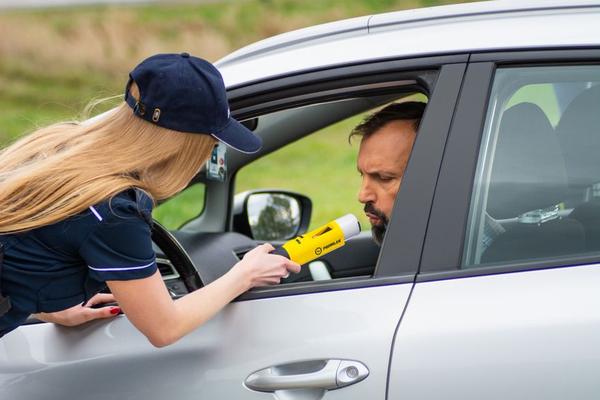
A case often begins with a stop for speeding, unusual lane movement, a crash, or another observed violation. An officer may ask questions, look for signs of impairment, request field sobriety exercises, and sometimes use a preliminary breath test.
Arrest, chemical testing, and booking
If the officer believes there is probable cause, the driver may be arrested and asked to take an evidentiary breath, blood, or urine test. Every state has an implied-consent framework, and refusing an authorized test can lead to separate licensing consequences. Exact rules vary by jurisdiction.
Arraignment and pretrial proceedings
After charges are filed, the defendant normally appears for an arraignment and enters a plea. The case may then move through evidence exchange, motions, negotiations, and possibly a plea. A defense lawyer may examine the stop, arrest, statements, testing procedures, video, and device or laboratory records.
Trial, plea, and sentencing
If the case is not resolved earlier, prosecutors generally must prove the required elements beyond a reasonable doubt at trial. A conviction or guilty plea leads to sentencing. Separately, a motor vehicle agency may suspend or restrict driving privileges, sometimes faster than the criminal case moves.
Common DUI penalties
DUI penalties depend heavily on the state and the facts. A first offense is often a misdemeanor, but possible consequences still include fines, license suspension or revocation, probation, alcohol or substance-use assessment, education or treatment, community service, ignition-interlock requirements, and jail. Insurance and employment effects can add to the cost.
Many states require ignition interlocks for at least some offenders. The device requires a low-alcohol breath sample before a vehicle can start. Licensing sanctions may also arise from a failed chemical test or refusal before the criminal case is finished.
What can make a DUI charge more serious
Repeat offenses are a major factor in sentencing. States may also impose enhanced consequences for a high BAC, a crash involving injury or death, driving with a child passenger, driving while a license is suspended, or refusing chemical testing. Some aggravated cases can be charged as felonies rather than misdemeanors.
The period used to count prior convictions is not the same everywhere. To know whether an arrest will be treated as a first or repeat offense, check the specific state law rather than a generic national chart. Related topics include misdemeanor versus felony charges and how prior convictions affect sentencing.
Defenses that may matter in a DUI case
A DUI defense is not simply an argument that the driver “was not drunk.” The question is whether the government lawfully obtained reliable evidence and can prove every required element. No single defense works in every case.
Problems with the stop or arrest
Police generally need a lawful basis for a traffic stop and sufficient grounds for an arrest. If constitutional rules were violated, a court may exclude certain evidence. The effect depends on what evidence remains.
Testing accuracy and procedure
Breath and blood evidence can be challenged when legitimate issues involve calibration, maintenance, operator procedure, contamination, timing, sample handling, or chain of custody. A numerical result is powerful evidence, but not automatically beyond scrutiny.
Field sobriety and observational evidence
Roadside exercises can be affected by lighting, road surface, footwear, injuries, or medical conditions. Body-camera or dash-camera video may support or contradict an officer’s description, making video and test records important evidence.
A practical example of how details can change the case
Imagine a driver is stopped after briefly crossing a lane marker. The officer reports an odor of alcohol and poor balance, and a later breath test reads 0.09%. A defense review may examine whether the lane movement justified the stop, how roadside exercises were administered, the timing of testing, and whether breath-device checks were current. Prosecutors may rely on the driving pattern, observations, video, statements, and chemical test together. Small factual differences can change the strength of either side.
After a drunk driving arrest, keep all paperwork, note court and motor-vehicle-agency deadlines, avoid public discussion of the case, and seek state-specific legal advice. The criminal court process after an arrest and license suspension proceedings may have different deadlines.
Frequently asked questions
Is a DUI always a misdemeanor?
No. Many first-offense DUI cases are misdemeanors, but repeat offenses or cases involving serious injury, death, or other aggravating circumstances may be charged as felonies under state law.
Can you be charged with DUI if your BAC is below 0.08%?
Yes. The per se limit creates one way to prove an alcohol-related offense, but prosecutors may also pursue an impairment-based case when other evidence suggests unsafe driving. Utah’s general adult per se limit is 0.05%, and lower limits apply to some categories of drivers.
What is the difference between DUI and DWI charges?
The terminology depends on the state. Some states use the terms interchangeably, while others assign different meanings or offense levels. The statute listed in the charging document is more important than the label alone.
Does refusing a breath or blood test make the case go away?
Usually not. Refusal can create separate driver-license consequences, and prosecutors may still rely on observations, video, statements, or other evidence. Rules about chemical testing and refusal vary by state, so state-specific advice matters.
Understanding the charge before deciding what comes next
DUI cases combine criminal law, scientific testing, and administrative licensing procedures. There is no single nationwide penalty schedule. To understand a particular case, separate the issues: what the state must prove, how evidence was obtained, whether testing was reliable, which aggravating factors apply, and what deadlines are already running.