
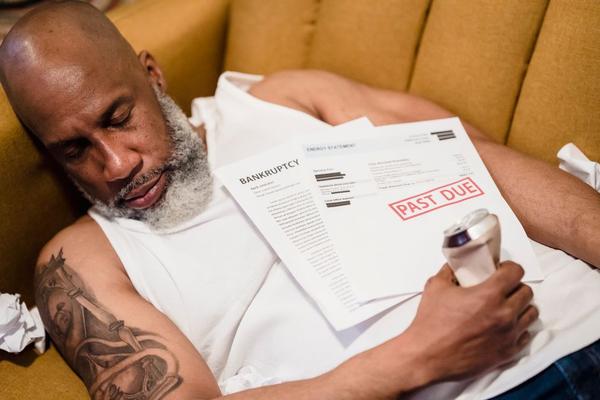
Debt settlement and bankruptcy can both reduce overwhelming debt, but they work very differently. Settlement is a private negotiation with creditors, while bankruptcy is a federal court process that can discharge qualifying debts or place them into a court-approved repayment plan. The key questions are whether you can fund settlements, what kinds of debt you owe, and how much legal protection you need.
If you want to avoid bankruptcy, look beyond the label. Settling one credit-card balance while leaving the rest unaffordable may not solve the underlying problem. The goal is a realistic financial end point.
How Debt Settlement Works
Debt settlement means negotiating debt with an unsecured creditor or debt collector so it accepts less than the full balance. You can negotiate yourself or hire a debt settlement company. Creditors are not required to agree, and one creditor may settle while another refuses.
Many settlement programs depend on building up cash before an offer can be made. Some companies encourage customers to stop making regular payments while money accumulates. That can lead to late fees, added interest, collection activity, lawsuits, and further credit damage. Settlement also does not create the same legal protection as a bankruptcy filing.
Pros and cons of settlement
The main advantage is flexibility. You may resolve eligible unsecured debts without filing bankruptcy, one account at a time. Settlement may suit someone with steady income, a manageable number of unsecured debts, and enough cash flow to build settlement funds.
The drawbacks are uncertainty and cost. There is no guarantee every creditor will participate, and collection pressure can continue while you save. Federal rules restrict when certain for-profit debt relief services sold by telephone may collect fees, so large upfront fee demands deserve careful scrutiny. Canceled debt can also be taxable unless an exception or exclusion applies.
How Bankruptcy Changes the Equation
For consumers, Chapter 7 and Chapter 13 are the most common bankruptcy paths. Chapter 7 can discharge many qualifying unsecured debts, although some debts are not dischargeable and valid liens may survive. In a routine case, a Chapter 7 discharge often occurs about four months after filing.
Chapter 13 works differently. It lets an individual with regular income propose a repayment plan that usually lasts three to five years. It can help some debtors keep property while catching up over time, subject to eligibility rules and court approval.
A major difference is legal protection. Filing bankruptcy generally triggers an automatic stay that stops many collection actions while the case is pending. Debt settlement does not provide an equivalent blanket court order.
Pros and cons of bankruptcy
Bankruptcy can address multiple qualifying debts in one structured process and may stop many lawsuits, collection calls, and garnishment efforts. A successful discharge also creates a clearer endpoint because discharged debts are no longer personally collectible, subject to bankruptcy law.
On the other hand, bankruptcy involves court filings, financial disclosures, eligibility requirements, and costs. Depending on the chapter, nonexempt property may be at risk or the debtor may need to follow a multi-year repayment plan. The consequences are significant enough that individual legal advice is often worthwhile.
Credit Score Impact: Neither Option Is Painless
The credit score impact of both choices can be serious, but the damage happens differently. With settlement, missed or late payments often hurt first, followed by account reporting that may show a debt was settled for less than the full balance. Most negative account information can generally remain on a credit report for up to seven years.
Bankruptcy is also a major negative credit event and can remain on a credit report for up to ten years. The exact score drop cannot be predicted because it depends on the consumer’s existing credit profile. Someone who already has several charge-offs may experience a different effect from someone whose accounts were mostly current before filing.
Recovery also depends on what happens afterward. Paying ongoing obligations on time, keeping balances controlled, checking reports for errors, and avoiding expensive credit-repair promises can help over time.
A Real-World Comparison
Imagine a borrower with $20,000 in credit-card debt who can save a meaningful amount every month. If one creditor later agrees to accept $12,000 as full settlement, that account is resolved for less than the original balance. However, the borrower may still face fees and may need to determine whether the $8,000 of canceled debt is taxable. Other creditors remain separate problems unless they also agree.
Now change the facts. Suppose the borrower has several delinquent accounts, a pending collection lawsuit, little ability to build a settlement fund, and debts that cannot realistically be repaid. A bankruptcy consultation may reveal options settlement cannot provide, including court-supervised relief and protection from many collection actions.
A useful decision test is to compare total required cash rather than advertised savings. Estimate what you could realistically accumulate for settlements, expected fees, possible taxes on canceled debt, and the risk of balances growing while payments are missed. Then compare that with the likely costs and consequences of the bankruptcy chapter for which you may qualify.
Alternatives Worth Reviewing First
Before signing with a settlement company or filing bankruptcy, consider a nonprofit credit counselor, a creditor hardship program, a debt management plan, or direct negotiation. These alternatives to bankruptcy will not solve every case, but they may offer more flexibility when the debt is still manageable. Related guides on credit counseling and debt management plans, what debts bankruptcy can discharge, and rebuilding credit after debt relief can also help readers compare the next step.
For questions about exemptions, dischargeability, lawsuits, secured property, or eligibility, a bankruptcy attorney can explain how federal law and state rules apply. For possible cancellation-of-debt income, a tax professional can help determine whether an exclusion such as insolvency applies.
Frequently Asked Questions
Is debt settlement better for your credit than bankruptcy?
Not automatically. Settlement can involve missed payments and a notation that an account was settled for less than the full balance. Bankruptcy is also a major negative event. The more useful comparison is which option leaves you with a sustainable debt load and a realistic path to rebuilding.
Can creditors still sue during debt settlement?
Yes. Negotiating or saving for a settlement does not prevent a creditor from using lawful collection remedies. Bankruptcy’s automatic stay provides broader protection against many collection actions after a case is filed, although exceptions apply.
Does bankruptcy erase every debt?
No. Some debts are not dischargeable, and secured creditors may retain valid liens. The result depends on the type of debt, the bankruptcy chapter, and the facts of the case.
Can forgiven settlement debt create a tax bill?
Yes, in some cases. Canceled debt is generally taxable unless an exception or exclusion applies. Bankruptcy and insolvency are important exclusions under federal tax law.
Choosing the Path That Actually Solves the Problem
Debt settlement may fit when your problem is concentrated in negotiable unsecured accounts and you have enough cash flow to fund realistic offers. Bankruptcy may deserve closer consideration when debt is widespread, repayment is not feasible, or legal protection from collection activity is essential. Compare the full cost, timeline, tax treatment, creditor risk, property consequences, and likely outcome before deciding.